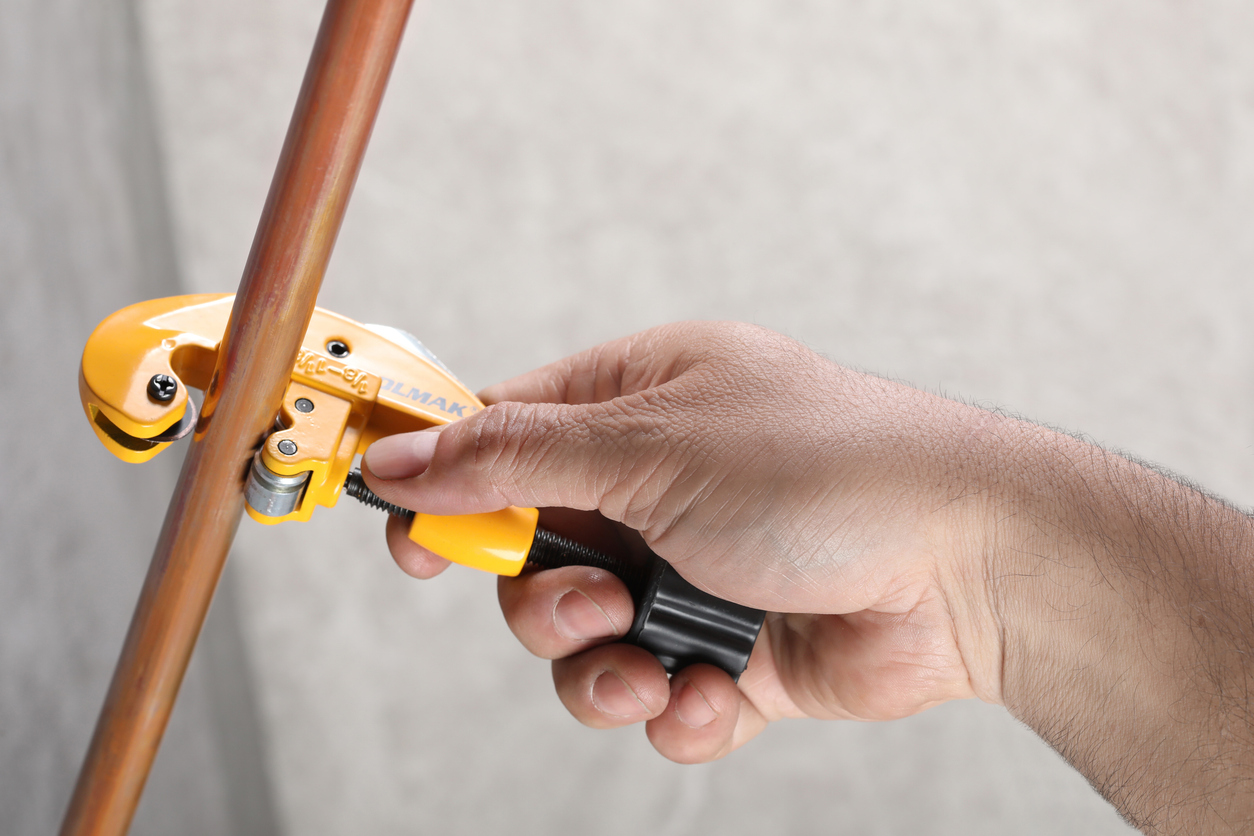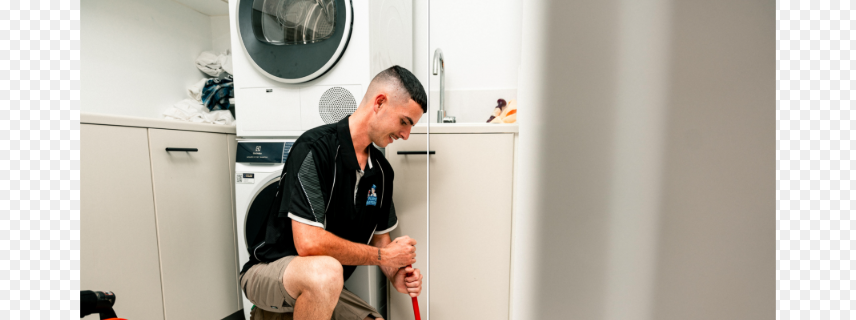
There is a specific kind of torture known only to Australians: the steady, rhythmic drip… drip… drip of a leaking tap echoing through a quiet house at 2 AM. It’s more than just an annoying sound; it’s the sound of your water bill climbing and water literally going down the drain.
At Plumb Professor, we are the experts in Leaking Tap Repairs Gold Coast. While the big hardware giants make it look like a five-minute job, anyone who has ever snapped a ceramic cartridge or flooded their laundry knows that “simple” DIY can quickly turn into a plumbing SOS. This guide is designed to help you understand your tap, try a fix if you’re game, and know exactly when to call in the Professors.
What is a Leaking Tap? (And Why Does It Happen?)
A leaking tap occurs when the seal that is supposed to hold back the water pressure fails. In the unique coastal environment of the Gold Coast—where salt air can accelerate corrosion and water pressure varies significantly between the hinterland and the high-rises—taps take a beating.
In Australia, we generally deal with two main culprits:
Compression Taps (The Traditional Ones): These are the taps you “turn” multiple times. They rely on a rubber or silicone washer being squashed against a metal “seat.”
Mixer Taps (The Modern Ones): These use a single lever and contain a ceramic disc cartridge. They are durable, but when they fail, they usually require a specific replacement part rather than a generic washer.
The True Cost of a Drip
A tap dripping once per second can waste over 12,000 litres of water a year. On the Gold Coast, that isn’t just an environmental issue—it’s a massive financial leak. Furthermore, a constant leak can cause permanent “wire-drawing” (eroding a groove) in your tap body, meaning a $10 repair eventually becomes a $500 replacement.
How to Fix a Dripping Tap: The Professional DIY Approach
If you’re feeling handy, you can attempt to fix a standard compression tap yourself. Pulling from the best advice at Bunnings and RACV, here is the “Proper Way” to tackle a drip.
The Checklist:
Replacement Washers: Usually 12mm (1/2”) for indoor taps.
O-rings and Jumper Valves: Replace these at the same time for a total refresh.
Tools: Adjustable spanner (or tap spanner set), screwdriver, and a cloth.
Tap Lubricant: Use food-grade silicone grease (never WD-40).
Step 1: The Mains Isolation
Turn off your water at the mains (usually near your front boundary). Open the tap to release pressure. Critical Tip: Put a plug or cloth in the sink! Losing a tiny brass screw down the drain is a sure-fire way to ruin your Saturday.
Step 2: Disassembly
Pop off the decorative “H” or “C” cap, unscrew the handle, and remove the metal “shroud” or bonnet. If it’s stuck due to Gold Coast salt or lime buildup, use a damp cloth for grip rather than pliers to avoid scratching the chrome.
Step 3: Replace the “Holy Trinity”
Remove the spindle and replace the body washer, the O-ring, and the jumper valve.
Step 4: Lubricate and Reassemble
Apply a small amount of tap lubricant to the spindle threads for a smooth “Professor-level” turn. Reassemble, turn the water back on slowly, and check your work. Do not overtighten the handle—this is the #1 cause of split washers!
Beyond the Washer: Why is my tap still leaking?
If you’ve replaced the washer and that persistent drip is still there, the problem is likely hidden deeper. Here is what’s really happening:
1. The Valve Seat is Pitted
The “seat” is the metal surface the washer presses against. Over time, it can become corroded or “pitted.” Trying to seal a rubber washer against a corroded seat is like trying to seal a window against a brick—it won’t happen. You need a reseating tool to grind the metal back to a smooth finish.
2. High Water Pressure
If you find you’re replacing washers every few months, your Gold Coast home likely has high water pressure (above 500kPa). This “blows out” seals prematurely. We can install a Pressure Limiting Valve at your meter to protect your entire home’s plumbing.
3. Failed Ceramic Discs
In mixer taps, a microscopic crack in the ceramic disc or a tiny piece of grit trapped inside will cause a leak. These cannot be “repaired”—the entire cartridge must be swapped for an identical model.
When to Call The Pros
While we love the Aussie DIY spirit, some taps are best left to the experts. You should call us if:
The tap is still leaking after a DIY repair: (It likely needs professional reseating).
Water is leaking from under the handle: (This indicates a spindle or O-ring failure).
You have a modern Mixer Tap: (Finding the exact cartridge for a 5-year-old mixer can be a nightmare; we carry the most common Gold Coast stock on our vans).
You want a Guarantee: Every job by Plumb Professor comes with a workmanship guarantee. No more second-guessing.
Stop the drip and save your sanity. Contact Plumb Professor today for fast, professional service.