Kitchen renovations have a habit of shifting a gas cooktop or wall oven a metre or two to fit a better layout, and on paper that sounds like a minor adjustment compared to everything else going on. In practice, moving a gas appliance is regulated gas work regardless of the distance involved, which means it needs to be scheduled and budgeted for the same way as any other trade on the job, with a licensed Gasfitter Gold Coast builders and homeowners can rely on brought in at the right point in the build rather than as an afterthought once the cabinetry’s already in.
This guide covers what actually happens when a gas appliance is relocated during a renovation, what your builder can and can’t legally handle themselves, and how to time the gas fitter’s visits so they don’t hold up the rest of the job.
Can I Move My Gas Stove?
Yes, but only a licensed gas fitter can carry out the actual relocation. This applies even to a small shift within the same kitchen, since moving the appliance means disconnecting it from the existing gas line, capping or extending pipework to the new position, reconnecting, pressure testing, and issuing a fresh compliance certificate. None of that changes just because the appliance is only moving a short distance.
Can a Gas Cooktop Be Relocated?
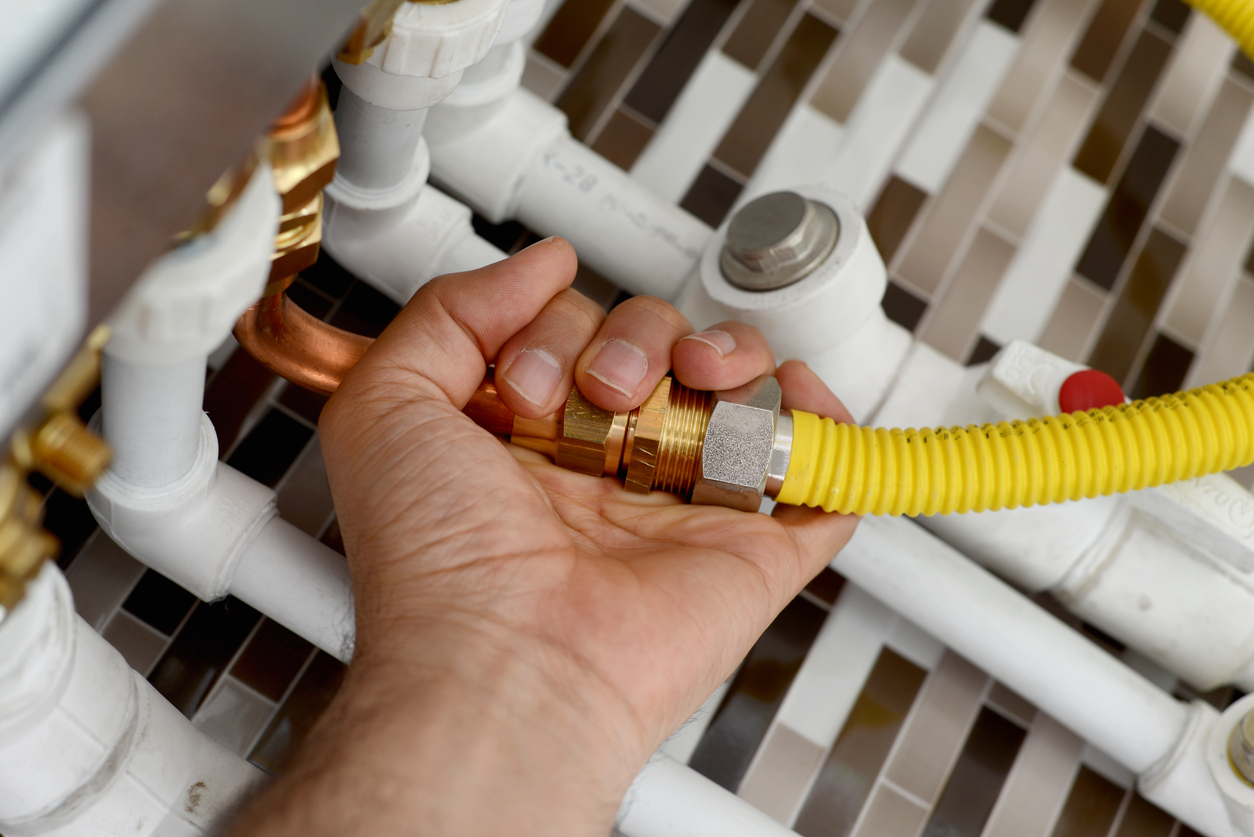
Yes, and this is one of the most common gas-related renovation jobs. Relocating a cooktop typically involves running new gas pipework from the nearest existing line, often tapping off the same line feeding a gas hot water system, to the cooktop’s new position, then installing a compliant isolation valve at the new location before connecting and testing the appliance. The scope and cost depend heavily on how far the new position sits from the existing line and how accessible the space between them is.
Does the Gas Line Need Replacing?
Not always, but it depends on the relocation. If the existing gas line is in good condition and correctly sized for the appliance’s demand, it’s often extended rather than fully replaced, new pipe run from a tee-off point to the new position, rather than the entire line being pulled out and redone. Replacement becomes necessary when the existing line is undersized for a new appliance’s higher gas demand, when the pipe material or condition doesn’t meet current standards, or when the new layout makes extending the old line impractical.
Can a Builder Disconnect the Appliance?
No. Disconnecting a gas appliance is restricted gas work in every state, and it must be carried out by a licensed gas fitter, not a builder, cabinet maker, or general renovation contractor, regardless of how straightforward the disconnection looks. Builders often coordinate the overall renovation timeline and can prepare the space around the appliance, but the actual isolation, disconnection, and capping of the gas line has to go through a licensed gas fitter specifically.
Do I Need a Gasfitter During a Kitchen Renovation?
Yes, if the renovation involves any gas appliance being disconnected, moved, replaced, or newly installed. This is worth confirming with your builder at the quoting stage, since gas fitting is a separate trade and a separate cost to the plumbing, electrical, and cabinetry work, and it needs its own slot in the renovation schedule rather than being assumed to be covered under a general plumbing allowance.
Can the Old Gas Line Simply Be Capped?
Yes, if the appliance is being removed entirely or relocated somewhere the old line won’t reach. Capping is a standard, straightforward part of a gas fitter’s job, the old outlet is safely isolated and sealed so no gas can escape from that point once it’s no longer in use. This still needs to be done by a licensed gas fitter and confirmed with pressure testing, rather than simply leaving the old fitting in place unused.
Can a Gas Outlet Be Moved?
Yes. Moving an existing gas outlet or bayonet point to a new wall or floor location during a renovation is treated the same as any other gas relocation, requiring the old point to be capped, new pipework run to the new position, and the new outlet pressure tested and certified before use.
Will Existing Pipework Meet Current Requirements?
Not always, particularly in older homes. Gas standards and pipe materials have evolved over time, and pipework installed several decades ago may not meet current sizing, material, or clearance requirements even if it’s been working without issue. A licensed gas fitter will assess the existing pipework as part of the relocation quote and flag anything that needs upgrading before it’s built over by cabinetry or flooring, since retrofitting after the fact is considerably more disruptive.
Do I Need a New Compliance Certificate?
Yes, without exception. Any relocation, alteration, or new installation of gas appliances or pipework requires a fresh compliance certificate once the work is complete, confirming the new configuration meets AS/NZS 5601 and has been pressure tested. This applies even if the appliance itself is unchanged and only its position has moved. Keep this certificate with your renovation paperwork, both for insurance purposes and for any future sale of the property.
When Should the Gasfitter Attend During Renovation?
Timing matters more in a renovation than in a standalone appliance swap, since gas fitting typically needs to happen at two distinct points:
- Early, before walls are closed up or flooring is laid – to disconnect existing appliances, cap or relocate lines, and run new pipework to the appliance’s new position while the space is still open and accessible
- Near the end, once cabinetry and benchtops are installed – to make the final appliance connection, pressure test the completed system, and issue the compliance certificate
Booking the gas fitter’s first visit too late is one of the most common renovation delays, since builders and cabinet makers generally can’t finalise bench cut-outs or close up walls around gas pipework until the fitter has run and pressure tested the new line. Raising this with your builder and gas fitter at the planning stage, rather than partway through the job, keeps the rest of the trades moving on schedule.
Book a Gasfitter Gold Coast Renovations Actually Run On Schedule
Plumb Professor works directly with builders, cabinet makers, and homeowners across the Gold Coast to schedule gas relocations at the right point in a renovation, so the rest of the job isn’t left waiting. Every visit includes upfront pricing, a $0 call-out fee, and the compliance certificate required once the work is complete.
Call 07 5551 5954 or get in touch online to plan the gas fitting for your next kitchen renovation.