Getting gas connected to a property for the first time trips up a lot of homeowners and builders, mainly because it isn’t a single job carried out by one trade, it’s a process split across three different parties, each responsible for a different part of the connection. If you’re building, renovating, or simply adding gas to a property that’s never had it, a licensed Gasfitter Gold Coast builders and homeowners actually use is only one piece of that process, and understanding who does what before you start makes the whole thing far less confusing.
This guide walks through exactly how a new gas connection works in Australia, from checking availability in your street through to the moment your gasfitter signs off and your appliances are ready to use.
Can I Get Natural Gas at My Property?
It depends on whether a gas main already runs along your street. Natural gas is available to millions of properties across Queensland, New South Wales, Victoria, and South Australia, but coverage isn’t universal, some streets, particularly in newer or more remote developments, don’t have a gas main nearby. If there’s no existing main within a reasonable distance, connection is still sometimes possible through a mains extension, but this adds significant cost and isn’t guaranteed to be approved.
How Do I Know Whether Gas Is Available in My Street?
The simplest way is to contact your local gas distributor directly or ask your preferred gas retailer to check on your behalf. Most distributors, including Australian Gas Networks, Jemena, ATCO, and APA Group depending on your state, maintain address-lookup tools or listing databases specifically for this. It’s worth checking this before finalising any renovation or new build plans that assume gas will be available, rather than assuming it automatically will be.
Who Connects Gas from the Street?
Your gas distributor. This is the company that owns and maintains the physical gas network, the mains pipe running down your street and the service line running from that main to your property boundary. Distributors don’t bill customers directly and don’t arrange appliance installation, their role is limited to the physical infrastructure of getting gas to your meter.
Does a Gasfitter Install the Meter?
No, in most cases the meter itself is installed by the distributor, not the gasfitter, though the exact sequence varies slightly by state. Typically, your gasfitter first installs a compliant meter box position on your property, then a connection request is lodged with a retailer or distributor, and once the site is ready, the distributor’s technicians install the physical meter. Your gasfitter is responsible for everything downstream of that meter, the pipework running to your appliances, but not the meter unit itself.
Who Installs the Pipe from the Meter?
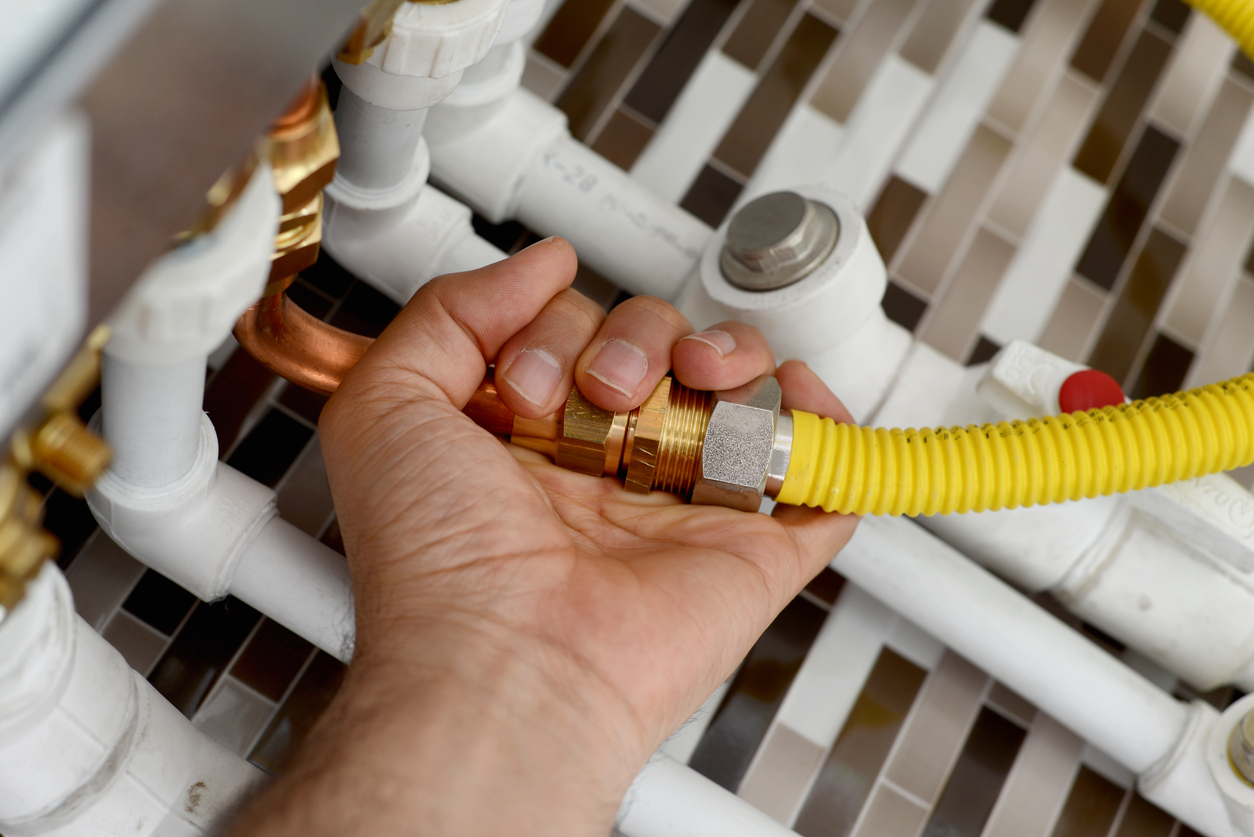
Your licensed gasfitter. This section of pipework, running from the meter to your appliances, is commonly called the consumer pipework or fitting line, and it’s entirely the homeowner’s responsibility to have installed, at the homeowner’s cost, by a licensed gas fitter. This is a separate job and a separate cost to the distributor’s connection of the service line and meter.
How Much Does a New Gas Connection Cost?
Costs are split across a few components, and the total can vary significantly depending on distance from the main and site conditions:
- Distributor connection fee (service line and meter, where a main already reaches your street): roughly $2,000 to $3,500 for a standard residential connection
- Gasfitter’s internal pipework (meter to appliances): roughly $200 for a simple appliance connection up to $800 for a modest new pipe run, and up to $4,000 for longer or more complex runs involving trenching or multiple fittings
- Mains extension, if no gas main currently reaches your property: a significantly higher cost, assessed on a case-by-case basis by the distributor
For a straightforward residential connection where the main already reaches your street, a realistic total budget, covering both the distributor’s fee and the gasfitter’s internal pipework, generally sits in the $2,500 to $5,000 range.
How Long Does Connection Take?
For a standard connection where a gas main already exists nearby, the service line installation is typically completed within around 20 business days of the distributor receiving your request, though this depends on site access and weather. The subsequent meter installation is usually completed within a couple of business days once the site is confirmed ready. Non-standard sites, difficult access, complex layouts, or additional trenching, can extend both timeframes, so it’s worth allowing extra buffer time in a build or renovation schedule rather than assuming a fixed date.
What Does the Gas Retailer Do?
Your gas retailer is the company that bills you for the gas you use once connected, and in most states they’re also the party you contact to formally request a new connection, since they coordinate with the distributor on your behalf. Retailers don’t own the physical network and don’t carry out any physical installation themselves, their role is account setup, billing, and lodging your connection request with the appropriate distributor.
What Does the Distributor Do?
The distributor owns and maintains the physical gas network, everything from the mains pipe in the street through to your property’s meter. They’re responsible for extending the mains if needed, installing the service line to your property, and installing the meter itself once your gasfitter has confirmed a compliant meter box position. Distributors are regional, which network services your area depends on your state and location, common examples include Australian Gas Networks, Jemena, ATCO, and APA Group.
What Does the Gasfitter Do?
Your gasfitter handles everything from the meter inward. This includes installing the pipework to each of your gas appliances, connecting and testing the appliances themselves, confirming the whole system meets AS/NZS 5601, and lodging the compliance certificate that’s required before the retailer will authorise the gas supply to be turned on. In new builds, your gasfitter is often also the one who first installs the meter box position and provides the licence details needed to lodge the initial connection request.
Do I Need Certification Before the Gas Is Turned On?
Yes, without exception. A Certificate of Compliance, confirming your internal gas pipework and appliances have been installed and tested to Australian Standards, must be lodged before your gas supply is authorised to be turned on. In most states, your gasfitter lodges this certificate directly with the relevant building authority or the network operator, and your retailer typically requires the certificate reference and your gasfitter’s licence number before finalising the meter fix and switching your supply on. Skipping this step isn’t an option, gas simply won’t be turned on at a new connection without it.
Get Your Gasfitter Gold Coast Connection Sorted Properly
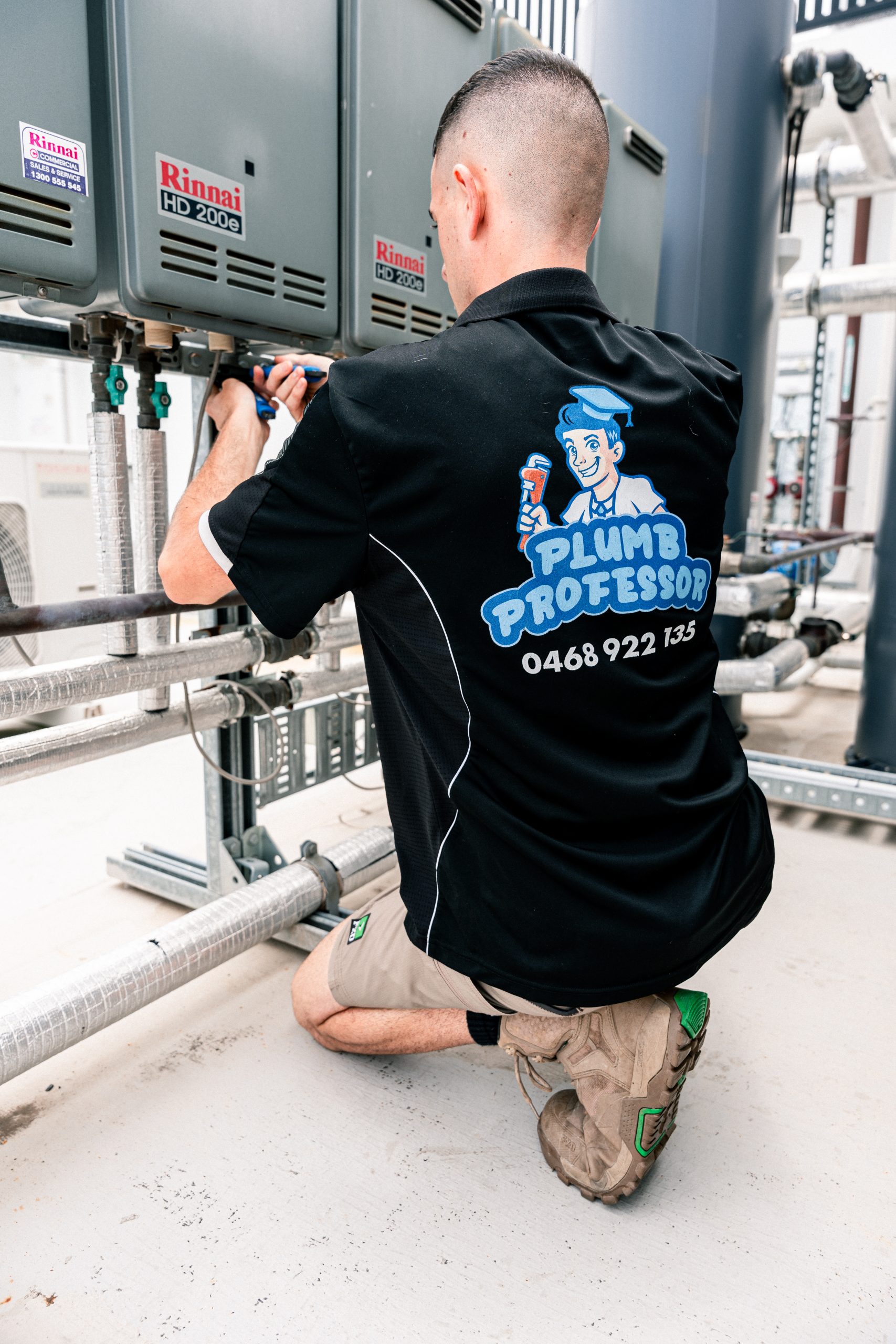
Connecting gas to a new build, an addition, or a property that’s never had gas before involves more moving parts than most homeowners expect, and the fastest way through the process is having a licensed gasfitter manage the pipework side while liaising with the distributor and retailer on your behalf. Plumb Professor handles new gas connections across the Gold Coast, from initial meter box positioning through to final compliance certification, with upfront pricing throughout.
Call 07 5551 5954 or get in touch online to get gas connected to your property on the Gold Coast.