Not every gas leak announces itself with a strong smell. Some are slow, small, and easy to miss entirely until a gas bill creeps up or a licensed fitter picks it up during a routine check. That’s exactly why professional Gas Leak Repairs Gold Coast residents rely on start with proper detection, not guesswork, using equipment that can find a leak long before it becomes a genuine hazard. This guide walks through how gas fitters actually locate leaks, what tools they use, and what happens once one is confirmed.
If you’re dealing with an active gas smell right now, this isn’t the article for that, leave the property and call your gas network’s emergency line first. This guide is for anyone wanting to understand the detection process itself, whether that’s after a leak has been reported, during a routine safety check, or simply out of curiosity about what a fitter is actually doing when they run through their equipment.
How Do Gas Fitters Detect Gas Leaks?
Licensed gas fitters use a combination of methods rather than relying on any single test, since different leaks show up differently depending on where they are and how big they are. A typical detection process moves through several stages:
- Electronic gas detection – a handheld sensor scans along pipework, around fittings, and near appliances, picking up combustible gas concentrations well below what a person could smell
- Pressure testing – the fitter isolates a section of the gas system, applies a measured pressure, and monitors for any drop over time, which confirms a leak exists somewhere in that section
- Soapy water testing – once a general area is flagged, a soap and water solution is applied to accessible fittings and joints, and bubbles forming confirm the exact point of the leak
- Acoustic and ultrasonic detection – for buried or hidden pipework, sensitive listening equipment can detect the sound of escaping gas through soil, walls, or slabs without any digging
- Tracer gas testing – for leaks that can’t be pinpointed acoustically, a safe tracer gas is introduced into the line and detected at the surface, mapping the leak’s location
Most jobs use a combination of two or three of these, moving from a broad check to a precise, confirmed location before any repair work begins.
How Do I Know If I Have a Gas Leak?
A few signs are worth watching for, even without an obvious smell:
- A rotten-egg or sulfur-like odour, however faint
- A hissing sound near a gas appliance, meter, or regulator
- Higher gas bills without a corresponding increase in usage
- Gas appliances performing poorly, burning with a yellow or orange flame instead of blue
- Dead or discoloured patches of vegetation near underground gas lines
- Physical symptoms like headaches, dizziness, or nausea that ease when you leave the property
Any one of these on its own is worth having checked, and more than one together is a stronger signal that something needs a licensed fitter’s attention.
Can You Have a Gas Leak Without Smelling It?
Yes, and this is more common than most homeowners assume. Very small or slow leaks can sit below what the human nose reliably detects, particularly for anyone with a reduced sense of smell or in a space where other odours are masking it. This is exactly why electronic detection equipment matters, it can identify gas concentrations far below smell threshold, confirming or ruling out a leak with actual data rather than guesswork.
What Equipment Detects Gas Leaks?
Professional gas fitters typically carry:
- Electronic combustible gas detectors – handheld sensors that scan pipework and fittings for gas concentration
- Manometers – precision pressure gauges used during pressure testing to detect drops that indicate a leak
- Ultrasonic or acoustic detectors – used to “listen” for escaping gas through walls, slabs, or soil
- Soapy water solution – a simple but reliable method for confirming the exact point of a leak at an accessible fitting
The combination matters more than any single tool, since electronic detectors are excellent for scanning broadly, while pressure testing confirms system integrity and soapy water pinpoints an exact fitting.
What Is Gas Pressure Testing?
Gas pressure testing involves isolating a section of the gas system, sealing it off, and applying a controlled test pressure using a manometer. The fitter then monitors that pressure over a set period. If the pressure holds steady, the system is sound. If it drops, that confirms gas is escaping somewhere within that section, even if the exact point hasn’t been located yet. Pressure testing is also carried out after any repair, reconnection, or new installation, to confirm the system is sealed and safe before it’s recommissioned and a compliance certificate is issued.
How Long Does Gas Leak Detection Take?
For a straightforward job, such as checking a single appliance connection, detection can take as little as 30 minutes to an hour. A full property inspection covering all appliances, exposed pipework, and the meter connection typically takes one to two hours. Detecting a hidden or underground leak using acoustic or tracer gas methods can take longer, particularly if the leak isn’t immediately obvious and multiple sections of pipe need to be tested in sequence.
How Much Does Gas Leak Detection Cost?
Gas leak detection is usually charged at the fitter’s standard hourly rate, generally in the $100 to $200 per hour range across most of Australia, plus any call-out fee. A simple appliance check sits at the lower end of that range, while a full system inspection or a hidden underground leak requiring acoustic and tracer gas testing takes longer and costs more. If a repair is needed once the leak is found, that’s typically quoted separately once the exact fault and required parts are known.
Can a Gas Leak Be Repaired Immediately?
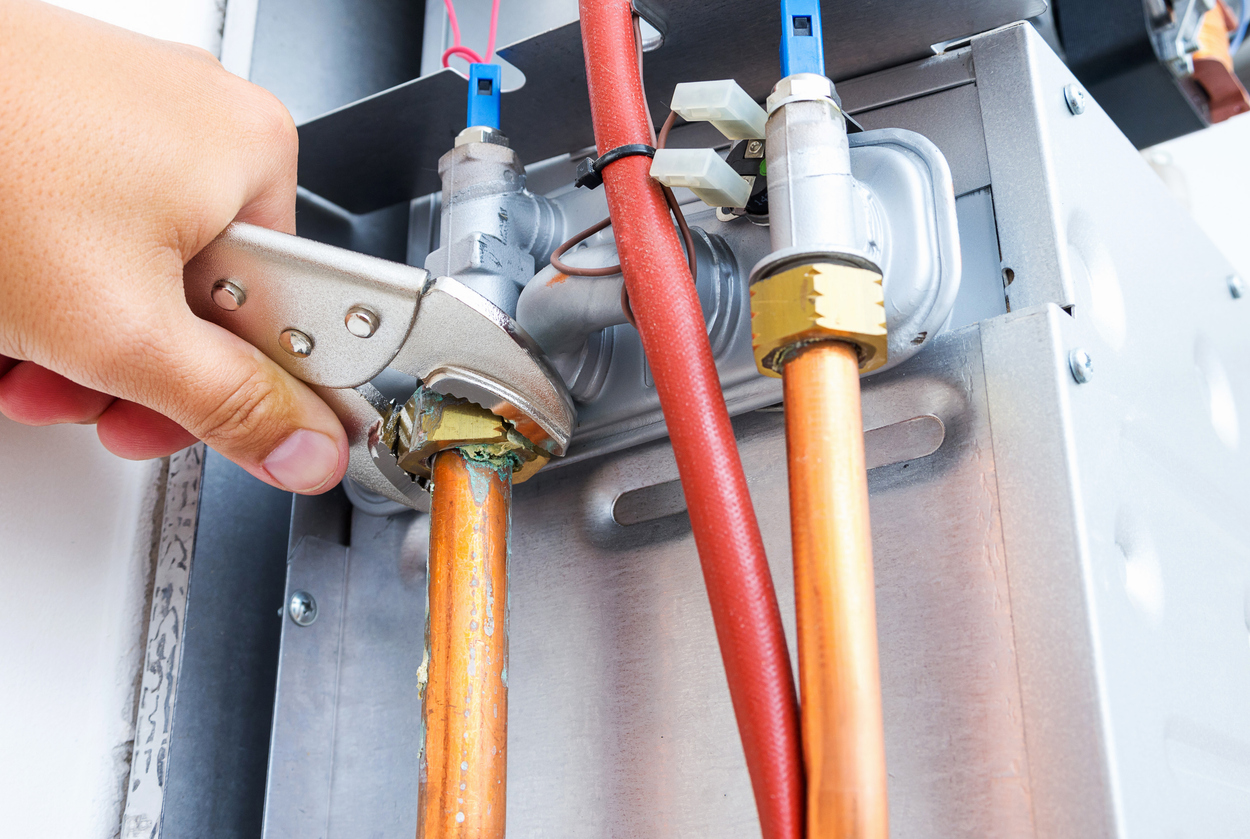
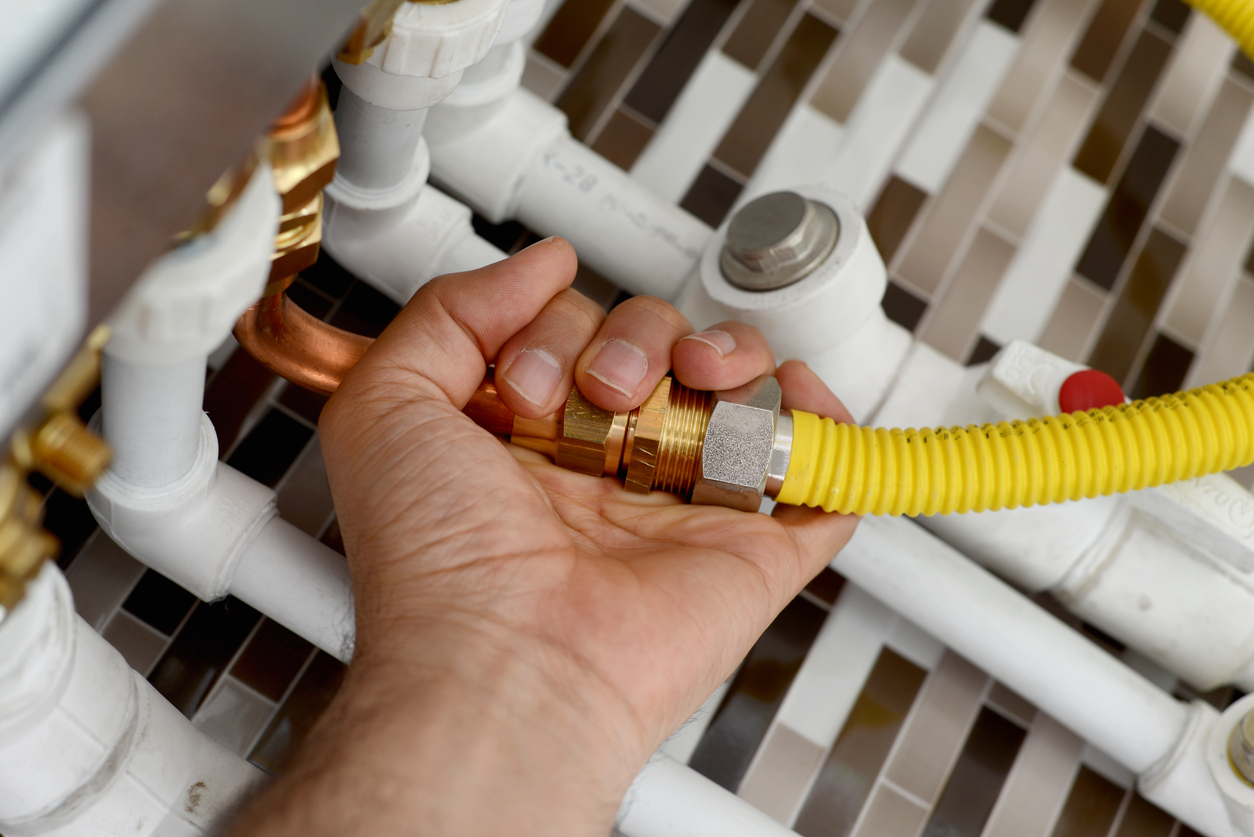
In most cases, yes. Once a leak is located and confirmed, a licensed gas fitter can usually repair straightforward faults, a loose fitting, a damaged hose, or a faulty connection, on the same visit. More involved repairs, such as replacing a section of underground pipe or addressing corrosion in older pipework, may require a follow-up visit once parts are sourced or access is arranged. Either way, the property’s gas supply generally stays off, or the affected section stays isolated, until the repair is complete and pressure tested.
Can Underground Gas Pipes Leak?
Yes. Underground gas lines can develop leaks due to corrosion, ground movement, tree root intrusion, or damage from nearby excavation work. These leaks are harder to detect visually since there’s no exposed pipework to inspect, which is why acoustic detection and tracer gas methods exist specifically for buried lines, allowing a fitter to locate the leak without digging up the entire pipe run.
Can Old Gas Pipes Develop Leaks?
Yes. Ageing pipework is more prone to corrosion, brittleness, and joint failure over time, particularly older galvanised steel pipes compared to modern materials. If your property has original gas pipework from several decades ago, it’s worth having it checked periodically, even without any obvious symptoms, since older systems are statistically more likely to develop small leaks as fittings and joints age.
Will a Gas Fitter Test the Whole System?
For a full safety inspection, yes. This typically covers every accessible appliance connection, exposed pipework, the meter and regulator, and a pressure test of the overall system. If you’re only reporting a specific concern, such as a smell near one appliance, the fitter will usually start there but often extends the check to nearby pipework and connections as a matter of thoroughness, since a leak at one point can sometimes indicate wear affecting a broader section of the system.
What Happens After a Leak Is Found?
Once a leak is located and confirmed, the process generally follows:
- The fitter isolates the affected section and repairs the fault, whether that’s tightening or replacing a fitting, repairing a hose, or addressing a pipe section
- The repaired area is pressure tested again to confirm the fix has fully sealed the leak
- The gas supply is safely recommissioned and appliances are checked to confirm normal operation
- A compliance certificate is issued, confirming the system meets AS/NZS 5601 and documenting the repair for your records
Keep that certificate. It matters for insurance purposes and provides a clear record if the same section of pipework is ever inspected again in future.
Book Professional Gas Leak Repairs Gold Coast Homeowners Recommend
Plumb Professor uses proper detection equipment on every job, electronic gas detectors, pressure testing, and acoustic detection where needed, so leaks are found accurately the first time rather than guessed at. Our licensed gas fitters repair the fault on the spot wherever possible and issue the compliance certificate confirming your home is safe, with a $0 call-out fee and upfront pricing throughout.
Call 07 5551 5954 or get in touch online to book a gas leak detection or repair on the Gold Coast.