Quick Answer: Weak hot water flow usually comes down to one of five things: a faulty pressure relief valve (PRV), a tempering valve that’s failing or set incorrectly, sediment blocking the inlet filter, a partially closed isolation valve, or an ageing hot water system. If cold water pressure is normal and only the hot side is weak, the problem is almost always inside the hot water unit or in the valves connected directly to it.
You turn on the shower, wait for it to warm up, and get a trickle. Switch to cold, and it blasts out like normal. Annoying at the best of times, and worse when you’re running late.
Low hot water pressure is one of the most common problems homeowners call the Gold Coast Hot Water Servicing experts at Plumb Professor about. The upside? A hot-only drop points to a short list of causes, and once you know what to look for, the culprit is usually easy to narrow down.
Why Is My Hot Water Pressure Low But Cold Is Fine?
If your cold taps run normally but the hot is weak, the fault is in your hot water system or the pipes directly connected to it. Your mains supply is fine.
Water enters your home through one mains line, and the supply splits at the hot water unit. One branch runs straight to your cold taps. The other feeds the tank before travelling on to your hot taps. A strong cold tap proves mains pressure is reaching your property, so whatever is slowing the hot side has to be at or after that split.
One exception is worth ruling out first. If only a single tap is weak, the tap itself may be the problem. A worn cartridge can restrict hot flow, and it’s often the same fault behind a leaking mixer tap.
The Most Common Causes of Low Hot Water Pressure
Once you’ve confirmed every hot tap is affected, it’s almost always one of these five faults.
1. A Faulty Pressure Relief Valve (PRV)
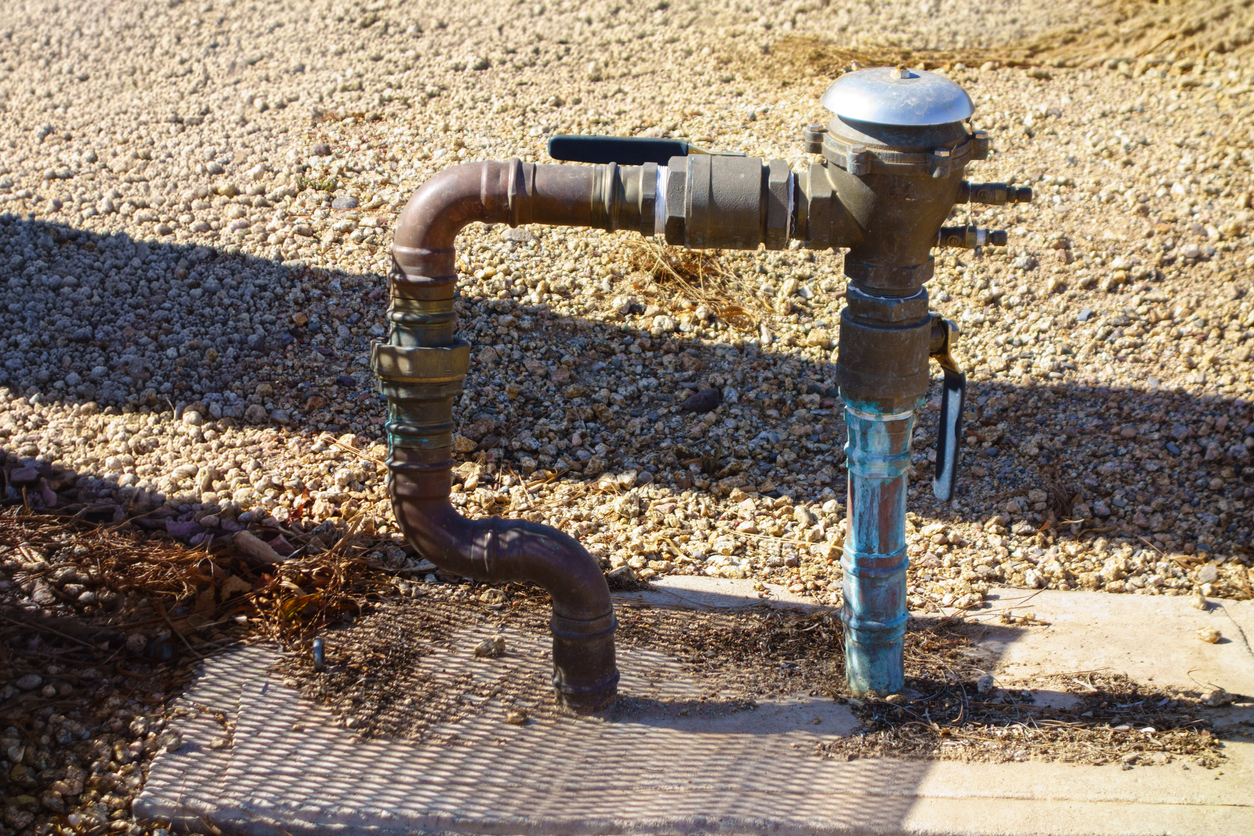
Every storage hot water system has a pressure relief valve, usually a brass fitting with a small lever near the top of the tank. It releases water when pressure or temperature inside the tank climbs too high, protecting the tank from damage.
As the valve wears, it can stick partly open and bleed water constantly, so less reaches your taps. Check the overflow pipe on the side of the unit. A little discharge while the water heats can be normal. Steady dripping long after anyone has used hot water is the telltale sign of a faulty valve.
2. A Tempering Valve Set Too Low or Failing
A tempering valve mixes cold water into the hot supply so bathroom taps deliver water at no more than 50°C, the safe limit for new installations under Australian plumbing standards. It sits on the pipe leaving your hot water unit.
Its internal parts and fine strainers gum up over the years. When the valve sticks or has been set incorrectly, it chokes flow to every outlet it serves, and the temperature may swing between lukewarm and hot. We see this often in older Gold Coast homes, where the original valve has never been serviced.
3. Sediment or Scale Blocking the Inlet Filter
Before cold water enters your tank, it passes through a small mesh strainer at the inlet. Grit from the mains and mineral scale collect there over time.
The build-up is gradual, so most people don’t notice until the shower feels weak. The repair is straightforward. A plumber isolates the unit, cleans the strainer and flushes sediment from the tank, with no need to replace the system.
4. A Partially Closed Isolation Valve
The isolation valve, sometimes called a stopcock, sits on the cold pipe feeding your hot water unit. Turning it off lets a technician work on the system without cutting water to the whole house.
If it isn’t fully reopened after a service or repair, the tank can’t refill fast enough and hot taps throughout the home run weak. It’s one of the quickest fixes a plumber can make, and one of the few things you can check yourself.
5. A Deteriorating or Undersized Hot Water System
Tanks lose efficiency with age as corrosion and sediment take their toll and valves wear out. An undersized unit has a different problem: it can’t keep pace when several outlets run at once.
If your system is more than 10 to 12 years old and pressure has worsened gradually, replacement is usually more cost-effective than ongoing repairs. It’s also a chance to rethink what suits your household, including the trade-offs between instant vs storage gas hot water systems.
Can I Fix Low Hot Water Pressure Myself?
Mostly, no. Nearly every cause involves the hot water unit or its valves, and that work needs a licensed plumber. There are two things you can safely check first, though.
- Confirm it’s a hot-only problem. Run the hot and cold taps at the kitchen sink, then at a bathroom basin. If both are weak, you’re likely dealing with a mains or whole-house issue rather than your hot water system.
- Check the isolation valve. Find the valve on the cold pipe going into your hot water unit and make sure it’s fully open. Turn the handle anticlockwise until it stops, without forcing it.
Beyond that, leave it to a professional. Relief valves, tempering valves and the tank itself hold hot water under pressure, and in Queensland this is regulated plumbing work. Our guide on how to repair a hot water heater explains what a typical repair involves.
Our team is available 24/7, and we give you a price before any work starts, so you know where you stand from the first phone call.
How Much Does It Cost to Fix Low Hot Water Pressure on the Gold Coast?
Cost comes down to the cause. Here’s how the common fixes compare:
- Cleaning a blocked inlet filter or reopening an isolation valve: a minor call-out, usually sorted quickly.
- Replacing a PRV or tempering valve: a mid-range repair, typically resolved in a single visit.
- Replacing the whole hot water system: a larger investment, but often the smarter long-term decision for an ageing unit.
The most accurate figure comes from an on-site assessment. Call Plumb Professor for a no-obligation quote. We price every job upfront, so nothing on the invoice comes as a surprise.
Signs Your Hot Water System Needs Replacing, Not Just Repairing
A repair makes sense when a sound system has one failed part. When several of these signs turn up together, you may be paying to patch a unit that’s nearing the end of its life:
- Age: the unit is 10 to 12 years old or more.
- Recurring pressure drops: the same problem keeps returning after repairs.
- Inconsistent temperature: water swings between hot and lukewarm, or runs out faster than it used to.
- Rust-coloured water: discoloured hot water can mean the inside of the tank is corroding.
- Visible corrosion: rust, moisture or pooling water around the base of the tank.
None of these means you need a new system tomorrow, but together they’re a good cue to get an honest assessment. For gas units, our article Gas Hot Water System Not Working? Repair vs Replacement Explained covers that decision in more detail. If replacement is the right call, here’s what to expect from a hot water system installation.
Frequently Asked Questions
Why is my hot water pressure low but cold water is fine?
The fault is in your hot water system or the pipes connected to it, not the mains supply. Hot and cold water split at the hot water unit, so strong cold pressure confirms water is reaching your home normally. The usual causes are a faulty PRV, a failing tempering valve, a blocked inlet filter or a partly closed isolation valve.
Can I check the pressure relief valve myself?
You can look, but leave the testing to a plumber. Check the overflow pipe beside the unit: a little discharge while the water heats is normal, but constant dripping suggests a faulty valve. Operating or replacing the valve releases scalding water under pressure, so it’s a job for a licensed plumber.
How long does it take a plumber to fix low hot water pressure?
Most fixes are done in a single visit. Reopening an isolation valve or cleaning an inlet filter is quick, and replacing a PRV or tempering valve usually takes a little longer. A full system replacement is a bigger job, though many are completed the same day.
Is a drop in hot water pressure dangerous?
The weak flow itself isn’t usually a safety risk, but the cause can be. A failing PRV or tempering valve affects how your system controls pressure and temperature, which can lead to scalding water or tank damage. Have it checked promptly rather than living with it.
Does low water pressure affect my hot water system’s lifespan?
The weak flow isn’t what shortens the system’s life; the underlying fault is. Sediment makes the unit work harder and speeds up corrosion, and a faulty relief valve can leave the tank exposed to excess pressure. Fixing the cause early helps your system last longer.
How often should a hot water system be serviced on the Gold Coast?
Most manufacturers recommend a service about every five years, with more frequent checks for older units. A service typically includes testing the relief and tempering valves, inspecting the anode and flushing sediment from the tank. Regular servicing catches small issues before they become pressure loss or a failed unit.
Get Your Hot Water Pressure Back
Plumb Professor is the Gold Coast’s trusted 24/7 plumbing service. Our licensed, certified plumbers will find the cause, explain it plainly and price the job before work starts, with no surprise call-out fees. Call us today or book online to get your hot water flowing properly again.